How to Treat Skin Hyperpigmentation: 2026 Guide
Table of Contents
Last Updated: October 4, 2026
What You'll Need Before You Start Treating Hyperpigmentation
The hyperpigmentation treatment market hit $1.5 billion in 2025 and is set to reach $1.6 billion in 2026, according to Grand View Research's hyperpigmentation treatment market report.
Learning how to treat skin hyperpigmentation starts with knowing what you're actually dealing with.
So before you buy anything, gather these basics:
A broad-spectrum sunscreen, SPF 30 or higher
A gentle, non-stripping cleanser
One or two targeted treatment products, not five
A plain moisturizer for barrier support
A phone camera and one consistent spot to take weekly photos
Patience for a 3 to 6 month timeline
That last one matters most. Below, we break down a five-step plan that works with your skin instead of against it.
Key Takeaway Sun protection is the foundation, not an optional add-on. The American Academy of Dermatology notes that effective treatment for dark spots begins with sunscreen. Skip it and every other step stalls.
Step 1: Identify Your Hyperpigmentation Type and Root Cause
Hyperpigmentation is a condition where melanocytes, the cells that make melanin, produce too much pigment in one area, creating dark patches or spots. Treatment depends on which type you have.
There are three main types:
Melasma: soft, symmetrical patches, often on the cheeks and forehead
Post-inflammatory hyperpigmentation (PIH): marks left behind by acne, cuts, or skin injury
Age spots: flat, defined spots from years of sun exposure and UV damage
Common Causes: Sun Exposure, Inflammation, and Hormones
UV damage is the biggest driver. It triggers extra pigment production as a defense response, and the result shows up as skin discoloration.
Inflammation is the second. Any injury to the skin, including a pimple, can leave an acne mark behind.
A common mistake is treating all three the same way. A brightening serum built for age spots may do very little for hormonal melasma. Match the cause first, then pick the product.
Step 2: Build a Hyperpigmentation Skincare Routine That Sticks
A hyperpigmentation skincare routine works when it is short enough to repeat every single day. Four steps in the morning, four at night. That's it.

Morning vs. Evening: What Goes Where
Morning: gentle cleanser, vitamin C serum, moisturizer, broad-spectrum sunscreen
Evening: gentle cleanser, active treatment, moisturizer
Sunscreen is the one step you never skip, indoors or out. UV damage accumulates through car windows and cloud cover. Reapply every two hours when you're outside.
At night, keep it to one active ingredient at a time. Stacking retinoids, acids, and hydroquinone in the same routine is the fastest route to irritation, and irritated skin produces more pigment, not less.
Pro Tip Take a photo in the same spot, same light, same time each week. Progress at 8 weeks is often too subtle to notice in the mirror but obvious in a side-by-side comparison.
Step 3: Choose Ingredients for Hyperpigmentation That Match Your Skin
Picking ingredients for hyperpigmentation comes down to two questions: what caused the spot, and how sensitive is your skin? The right answer for oily, acne-prone skin is not the right answer for dry, reactive skin, and the right answer for hormonal melasma is not the right answer for a fading acne mark.
Doctorly
Most people start with the strongest product they can find. A better approach is to start with the gentlest ingredient that matches your cause, then escalate only if your skin tolerates it. Here is how the common options compare.
Ingredient | Best For | How to Use It | Watch Out For |
Hydroquinone | Stubborn spots, short-term use | Prescription strength, limited course | Overuse; drug holidays may be needed |
Retinoids | Acne marks, cell turnover | Evening, start 1-2 nights weekly | Dryness, peeling, sun sensitivity |
Azelaic acid | Sensitive skin, acne-prone | Morning or evening | Mild tingling at first |
Vitamin C | Prevention, dullness | Morning, under sunscreen | Can oxidize in heat |
Kojic acid | Melasma, uneven tone | Evening serum | Occasional irritation |
Niacinamide | Barrier support, redness | Any time, layers well | Rare flushing |
Tranexamic acid | Melasma, stubborn redness | Morning or evening | Generally well tolerated |
Cysteamine | Hard-to-fade spots | Evening, short course | Odor, irritation in some users |
Match the Ingredient to the Cause
Melasma: Look for tranexamic acid, kojic acid, azelaic acid, or niacinamide. These target pigment production pathways that hormonal and UV triggers activate. Hydroquinone can help short-term, but melasma often returns after stopping, so maintenance matters more than a single strong course.
Post-inflammatory hyperpigmentation (PIH): Retinoids, azelaic acid, and niacinamide work well because they speed cell turnover and calm the inflammation that keeps producing new pigment. Treating the underlying acne or irritation is half the job.
Age spots and sun damage: Vitamin C, retinoids, and hydroquinone are the most common choices. These spots respond to consistent exfoliation and pigment inhibition over months, not weeks.
Match the Ingredient to Your Skin's Tolerance
If your skin is reactive, start with azelaic acid or niacinamide. Both are well tolerated and can be layered without much risk. Save retinoids and hydroquinone for when your barrier is calm and you have a consistent routine in place.
A review indexed in PubMed Central on managing facial hyperpigmentation in skin of color identifies topical therapy as the recommended first-line approach and describes hydroquinone, alone or combined with other agents, as the gold standard.
How to Introduce a New Active Without Triggering New Pigment
Patch test on your inner forearm for three nights before using it on your face.
Start with one active at a time. Do not add a second until the first has been in your routine for at least four weeks.
Begin at the lowest frequency your product allows, often every other night or two nights a week, and build up only if your skin stays calm.
If you see stinging, redness, or peeling that lasts more than a day, stop the active and go back to cleanser, moisturizer, and sunscreen until your barrier recovers.
Watch Out Irritated skin produces more pigment, not less. If a product is making your spots darker or your skin raw, that is a sign to stop, not to push through.
If you are pregnant, breastfeeding, or taking a medication that affects your skin, check with a clinician before starting hydroquinone, retinoids, or any prescription-strength option. Some ingredients are not recommended during pregnancy, and a clinician can help you choose a safer alternative.
Step 4: Understand How Long Hyperpigmentation Takes to Fade
How long hyperpigmentation takes to fade depends on depth, cause, and consistency. Surface-level marks may lighten in 6 to 8 weeks. Deeper pigment, especially melasma, can take 6 to 12 months of steady effort. Anyone promising faster results is selling you something.
A systematic review published in the Journal of Drugs in Dermatology on treating post-inflammatory hyperpigmentation in skin of color found that topical retinoids were the most frequently reported intervention at 22%, with laser therapy at 17%.
What to Expect, Month by Month
Weeks 1-2: Nothing visible yet. This is the adjustment period. Your skin may be dry or flaky if you started a retinoid. Focus on moisturizer and sunscreen.
Weeks 3-4: Still little change in the mirror. This is where most people quit. Do not. The active is working below the surface, slowing new pigment production.
Weeks 5-8: The first real signs. Look for fading at the edges of the spot, not the center. Edges lighten first because the pigment is thinnest there.
Months 3-4: Noticeable overall lightening for surface-level marks. Melasma and deeper PIH may still look stubborn. This is normal.
Months 6-12: Continued gradual fading. Melasma often plateaus and needs maintenance rather than a stronger product.
How to Track Progress Without Guessing
Your eyes adapt to slow change, so the mirror is unreliable. Use these three habits instead:
Take a photo once a week. Same spot, same light, same time of day, no makeup. Natural daylight near a window works well.
Keep the photos in one album. A side-by-side at week 8 will show change your mirror missed.
Note your routine in the same place. If you changed products, write down when. Otherwise you will not know what is working.
Pro Tip Progress at 8 weeks is often too subtle to notice in the mirror but obvious in a side-by-side comparison. If you are not tracking, you are guessing.
When Progress Stalls
If you have been consistent for 12 weeks and see no change at all, the issue is usually one of three things:
The ingredient does not match your cause. A vitamin C serum will not do much for hormonal melasma. Go back to Step 3 and match the active to the cause.
You are not using sunscreen consistently. UV exposure cancels out most of the work your other products are doing.
Your skin is irritated. Redness, stinging, and flaking mean your barrier is compromised, and irritated skin keeps producing pigment. Pull back to cleanser, moisturizer, and sunscreen for two weeks, then restart one active.
If a spot changes shape, bleeds, itches, or looks different from your other spots, get it checked. That is not a pigment issue, and no serum will fix it.
Step 5: Adjust Your Approach for Hyperpigmentation on Darker Skin Tones
Hyperpigmentation on darker skin tones needs a gentler, slower approach. Melanin-rich skin responds to inflammation with more pigment, so aggressive treatments often backfire and create new dark patches.
Here's what changes:
Skip high-energy laser treatments unless a professional evaluates you first
Introduce one new active every 4 weeks, not every week
Prioritize barrier repair with ceramides and niacinamide
Be extra strict with daily sunscreen
The same Journal of Drugs in Dermatology review found that partial improvement rates vary widely by treatment type, which is exactly why matching the method to your skin matters more than chasing the strongest option.
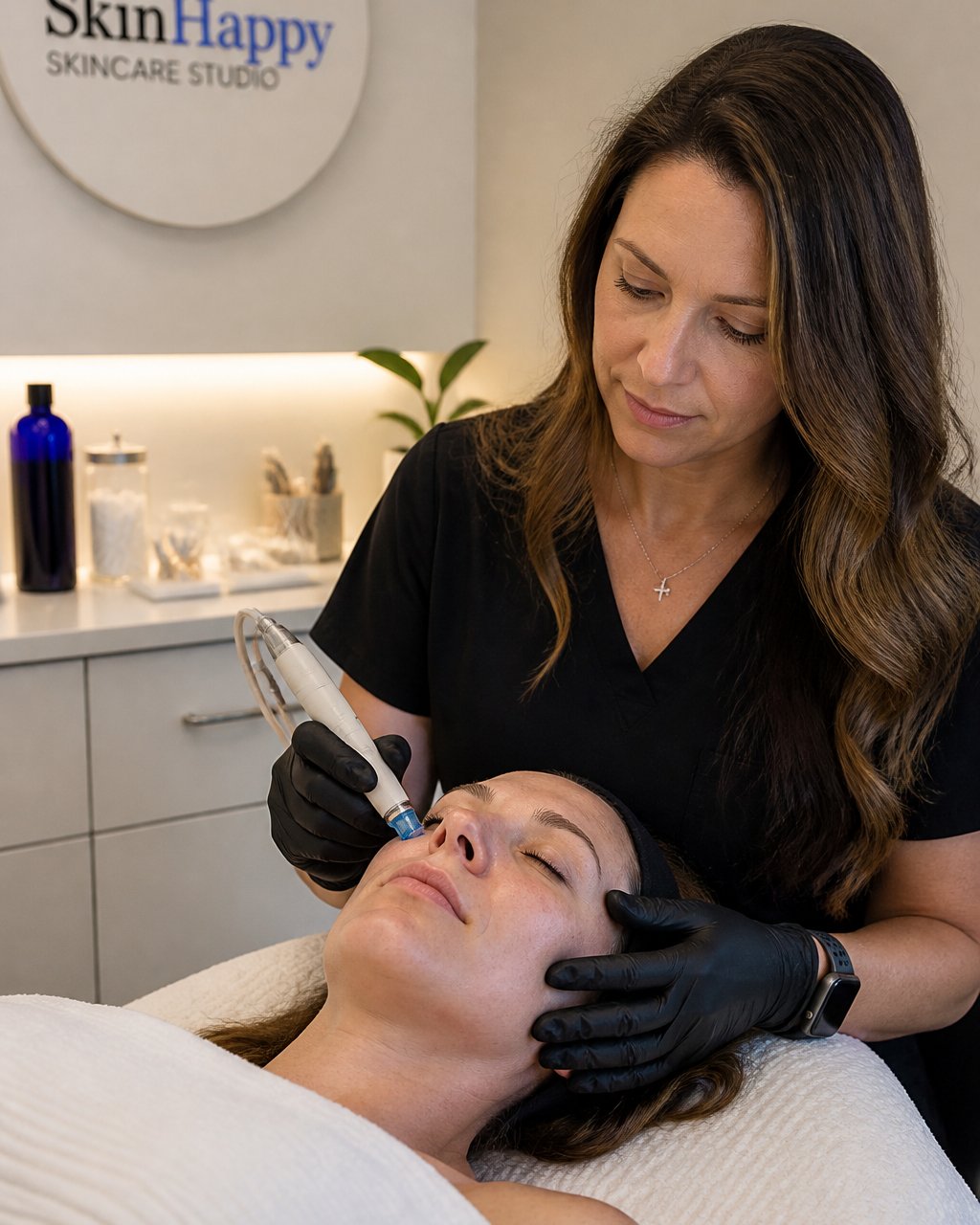
Watch Out Chemical peels and microneedling done too aggressively on darker skin can trigger post-inflammatory hyperpigmentation instead of fading it. The consequence is new spots that take months longer to clear than the original ones.
Common Mistakes to Avoid When Treating Hyperpigmentation
The biggest mistake is quitting at week three. Pigment fades slowly, and most people abandon a routine right before it starts working.
Other traps we see often:
Skipping sunscreen on cloudy days or indoors
Layering three actives at once and irritating the skin
Exfoliating daily, which thins the barrier
Using hydroquinone without breaks or professional guidance
Expecting one product to fix hormonal melasma
If a spot changes shape, bleeds, or looks different from your other spots, get it checked. That's not a pigment issue, and no serum will fix it.
Treating hyperpigmentation is a long game, and the wrong routine can set you back months. We focus on education over product pushing, use aesthetic-grade products, and tailor every treatment to your unique needs, whether you're dealing with sun damage, acne marks, or uneven tone.
Frequently Asked Questions
What is the fastest way to fix hyperpigmentation?
There is no overnight fix, but the fastest visible results come from combining daily broad-spectrum sunscreen with active ingredients like retinoids, azelaic acid, or hydroquinone. A review in the Journal of Drugs in Dermatology found that topical retinoids were the most frequently reported treatment for post-inflammatory hyperpigmentation, with partial improvement in 85% of cases. Professional treatments like chemical peels or microneedling can speed things up, but they work best alongside a consistent at-home routine.
How long does it take for hyperpigmentation to fade?
Most people see meaningful fading in 8 to 16 weeks with consistent treatment. A 2026 review in Cureus reported that cysteamine 5% cream reduced hyperpigmentation within 16 weeks, and topical tranexamic-acid combinations showed 30-40% improvement. Dark spots from acne or injury tend to fade faster than melasma, which can take months and requires ongoing sun protection to keep from returning.
What skincare ingredients can help fade dark spots?
Dermatology reviews consistently point to hydroquinone as the gold standard, often combined with other agents. Other effective ingredients for hyperpigmentation include retinoids, azelaic acid, kojic acid, vitamin C, niacinamide, and alpha hydroxy acids. A review in the Journal of Clinical and Aesthetic Dermatology describes topical depigmenting agents paired with sun protection as typical first-line therapy. Start with one active at a time to avoid irritation.
When should I see a professional about a dark spot?
If a dark spot changes shape, color, or size, or appears suddenly without a clear cause, have it evaluated. A PubMed Central review recommends consulting a doctor when treatment options vary or when pigmentation does not respond to over-the-counter products after several months. A licensed esthetician can also assess your skin type and build a customized plan using aesthetic-grade ingredients that go beyond what you can buy at a drugstore.
BOOK
Comments